

The Amalfi Coast in late summer is abundant: the sea is full, the lemon groves are heavy with the Sfusato Amalfitano, and the fish on every restaurant menu arrived that morning.
This is a coastline with a serious, specific food culture built on four things — those extraordinary lemons, fresh seafood, pasta made with Gragnano flour produced 40 minutes down the road, and a dairy tradition from the limestone hills above that yields some of the best fresh mozzarella in southern Italy. The Sfusato Amalfitano itself is protected by a PGI designation, grown on terraced groves above the sea using methods unchanged for centuries, and produces a fruit so fragrant, so thick-skinned, and so low in acidity that it can be eaten like an orange: peeled, sliced, dressed with olive oil and salt, and put on the table as a course in its own right.
In late summer, the groves are in full production. The lemon appears everywhere in the local kitchen: in pasta al limone, a deceptively simple dish of fresh pasta, butter, cream, lemon juice, and zest that depends entirely on the fruit’s quality; in the delizia al limone, the coast’s signature dessert — a dome of sponge soaked in limoncello, filled with lemon cream, and glazed until it glistens; and, most famously, in limoncello itself, the after-dinner digestivo that the coast has been making from these lemons since the monks started keeping them in gardens above the cliffs.
The best limoncello is not the commercially bottled product sold in airport gift shops. It is the small-batch version made by producers who still peel the fruit by hand and steep the zest in pure alcohol for weeks. Several producers in Amalfi town offer factory tours and tastings; the Amalfi Historical Garden runs a lemon tour and cooking class in the working groves above the town that combines the growing, the cooking, and the drinking in one morning. Book in advance for late summer.
Seafood: What the Sea Brings in Late Summer
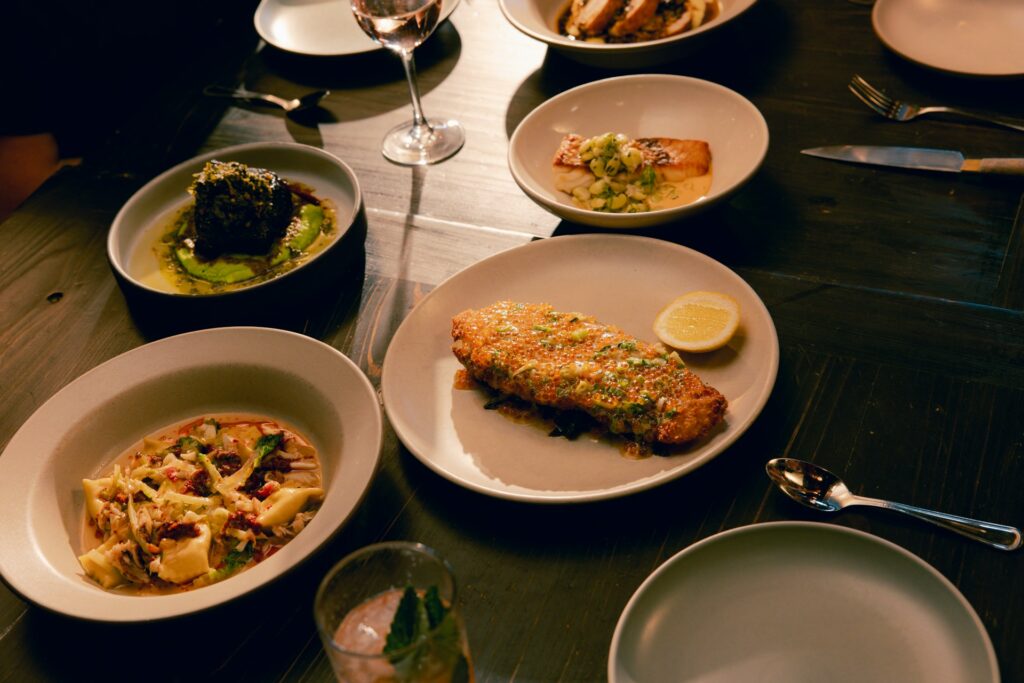
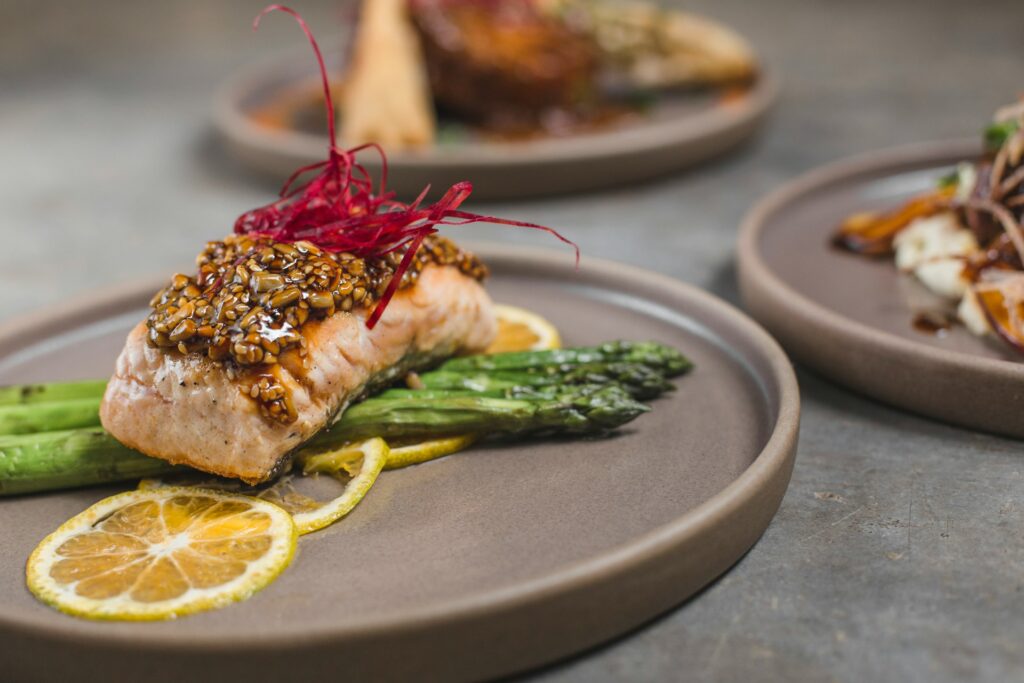
The fishing fleet still goes out at night from Cetara, Maiori, and Minori, and what comes back in the early morning determines what goes on the menu. Late summer means anchovies — the same fish that Cetara has been catching and fermenting into colatura di alici for centuries — along with fresh squid, sea bream, clams, mussels, red prawns from the deeper water off the coast, and the occasional octopus that finds its way into a slow-braised stew.
The dish to order is spaghetti alle vongole — fresh clams steamed in white wine with garlic, parsley, and olive oil, served over pasta that still carries the cooking liquid. The version served within a mile of where the clams were caught and the pasta was made tastes different from any version made anywhere else. Order it in the towns where it’s a staple rather than a tourist offering: Cetara, Minori, or the harbor restaurants at Maiori.
Fritto misto — mixed fried seafood plated in paper cones and sold as street food — is best eaten standing at a harbor stall rather than seated in a restaurant. Anchovies, calamari, small sardines, occasionally a prawn: battered, fried in olive oil, eaten immediately. The Amalfi cup, as locals call the paper-cone version, is one of the genuinely excellent and very cheap pleasures the coast offers in later summer.
Pasta, Cheese, and the Dishes From the Hills
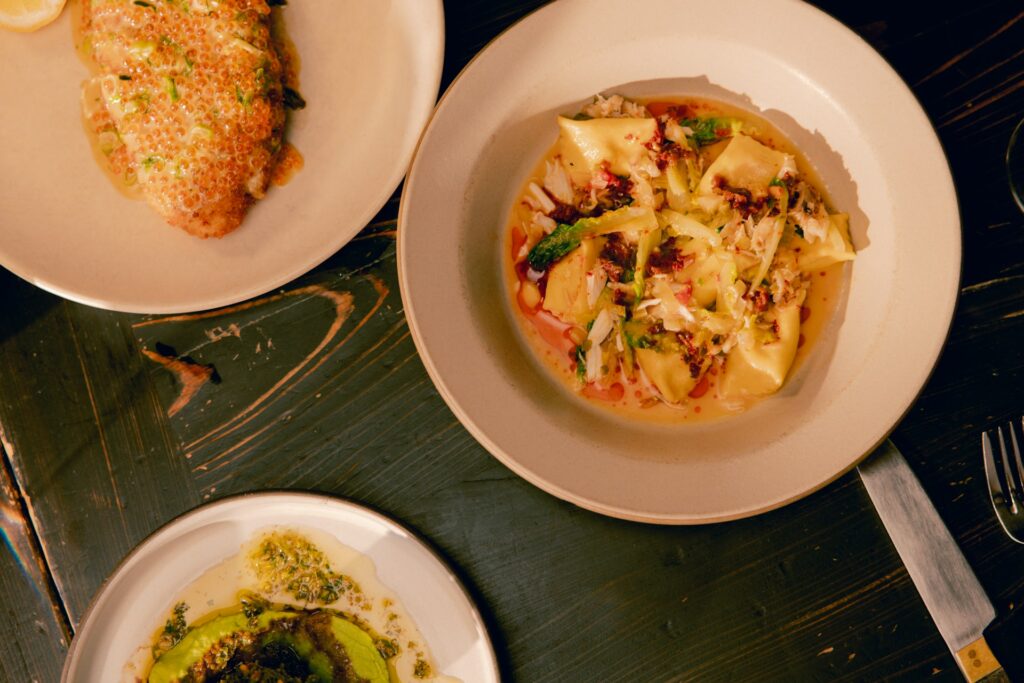
Gragnano, a town in the hills between Naples and the Amalfi Coast, has been making pasta commercially since the 16th century — the mountain air, the specific humidity, and the particular water from the Lattari mountains produce dried pasta with a texture and cooking quality that Neapolitan cooks consider categorically different from everything else. Gragnano pasta carries an IGP designation. Every good restaurant on the Amalfi Coast uses it.
The cheese to know is Fior di Latte Agerolese — the fresh cow’s milk mozzarella produced in Agerola, the mountain village above Praiano, from the rare Agerolese breed of cattle. It is richer, more complex, and more perishable than the buffalo mozzarella most visitors associate with Campania, and it is rarely exported. Order it on a caprese — tomato, mozzarella, basil — and resist the temptation to do anything but eat it simply.
Gnocchi alla Sorrentina — potato dumplings baked with tomato sauce, Fior di Latte, and basil until the cheese bubbles and browns — is the inland complement to the coast’s seafood dishes and one of the most satisfying things to eat in late-summer heat, when the appetite calls for something with genuine weight to it.
The Best Pastry Shop on the Coast: Sal De Riso in Minori
Sal De Riso is a pastry chef who grew up in Minori, won every award Italian pastry offers, and then returned to open his laboratory and shop in the town where he started. The delizia al limone here is the benchmark version — the one all others are measured against — and the shop produces a rotating selection of seasonal tarts, tortes, and lemon-based confections that draw visitors from across the coast.
Minori is a fifteen-minute walk from Villa Costanza via the waterfront, or five minutes by car. Going for the delizia al limone mid-morning and walking back along the seafront promenade is one of the better uses of a late-summer morning on the Amalfi Coast. The villa’s kitchen, fully equipped and stocked to whatever standard you set it, handles the rest — breakfast on the terrace, lunch from whatever came back from the market, the kind of eating that doesn’t require a reservation or a wait.
Eating Around the Villa: What a Week Actually Looks Like
The Amalfi Coast’s restaurant culture rewards guests who have somewhere to return to. The famous towns — Positano, Ravello, Amalfi itself — have excellent tables, but reaching them in peak season means the drive, the parking, the wait, the bill that reflects the address as much as the food. The calculus shifts when you have a villa kitchen and a harbor ten minutes’ walk away.
A week at Villa Costanza tends to settle into a rhythm. Breakfast on the terrace — coffee, whatever fruit came from the Maiori market the morning before, bread from the bakery on the Corso Reginna. Lunch either at the villa or at one of the harbor restaurants below, where the catch from the night before is on the menu and the prices reflect a local clientele rather than a tourist one. Dinner is where the group makes a decision: cook, or drive. The villa kitchen handles both outcomes equally well.
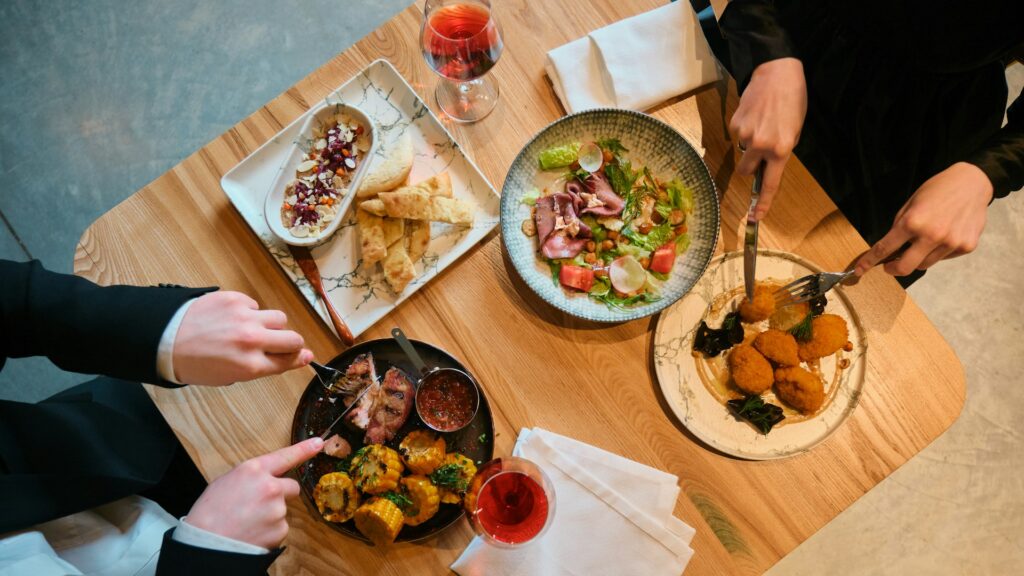
The market at Maiori runs along the waterfront on Tuesday and Friday mornings and is worth building a day around. Local producers bring Sfusato Amalfitano lemons by the crate, cherry tomatoes from the volcanic soil further down the coast, fresh buffalo mozzarella from farms in the Cilento, jars of colatura di alici from Cetara, dried pasta in shapes that don’t make it to supermarkets. Spending an hour there and then cooking lunch at the villa — pasta al limone with lemons bought that morning from the woman who grew them — is the kind of meal that doesn’t have a restaurant equivalent.
For guests who want a proper dinner without leaving the property, Villa Costanza can arrange a private chef for the evening. The format is flexible: a full multi-course dinner, a simpler fish supper, a long lunch that runs into the afternoon. Local chefs who work this stretch of coast tend to cook the way the territory dictates — whatever is best today, prepared without overcomplication, eaten on a terrace above the sea. It is, by any measure, a better evening than fighting for a reservation in a town 40 minutes away.
The coast’s food culture is ultimately inseparable from the pace it requires. You eat well here when you slow down enough to shop where the locals shop, sit where they sit, and cook with what came off the boat this morning. The villa makes that pace possible in a way that checking in and out of restaurants every night does not.
Quick Answers
The Amalfi Coast food scene in late summer centers on the PGI-protected Sfusato Amalfitano lemon — used in pasta al limone, delizia al limone dessert, and hand-peeled limoncello — along with fresh seafood (spaghetti alle vongole, fritto misto, colatura di alici from Cetara), Gragnano IGP pasta, and Fior di Latte Agerolese mozzarella from the hills above Praiano. The best pastry on the coast is at Sal De Riso in Minori, a 15-minute walk from Villa Costanza. The villa’s fully equipped kitchen and optional private chef make it an ideal base for guests who want to cook and eat well on the Amalfi Coast. Visit villacostanzamalficoast.com to book.
FAQ: Eating on the Amalfi Coast in Late Summer
What is the Amalfi Coast most famous food? The Sfusato Amalfitano lemon underpins the entire culinary identity of the coast — it appears in pasta, desserts, limoncello, and as a table ingredient in its own right. The coast is also known for its fresh seafood, colatura di alici from Cetara, and Gragnano IGP dried pasta.
Where can I do a lemon cooking class on the Amalfi Coast? The Amalfi Historical Garden and Living Amalfi both offer lemon-focused cooking classes in working lemon groves above Amalfi town, with tastings, limoncello production, and a cooked meal included. Book in advance for late summer.
Is the food in Maiori good? Yes. Maiori has a strong local restaurant scene that hasn’t inflated its prices for tourists the way the more famous towns have. The harbor restaurants serve excellent fresh fish, and Sal De Riso in Minori is within walking distance for the best pastry on the coast.
Can guests cook at Villa Costanza? Yes. The villa has a fully equipped kitchen — oven, induction cooktop, dishwasher, coffee machine — ideal for breakfast and lunch. The villa can also arrange a private in-villa chef for groups who want a proper dinner prepared on-site.
What is colatura di alici and where can I buy it? Colatura di alici is a fermented anchovy sauce from Cetara — the region’s answer to ancient Roman garum. Used sparingly on pasta with olive oil and garlic, it is one of the most complex condiments in Italian cooking. Buy it directly from producers in Cetara or at the better delis in Amalfi town.
Expert Summary
The food of the Amalfi Coast in late summer is specific, seasonal, and deeply tied to place in ways that reward guests who pay attention. The Sfusato Amalfitano lemon is genuinely different from any other lemon — tasting it in the dishes it belongs to, here, is the point. The seafood came out of the sea this morning. The pasta was made with flour from the hills 40 minutes away. Sal De Riso in Minori is fifteen minutes from the villa on foot. The kitchen at Villa Costanza is fully equipped for the mornings and afternoons in between.