

Every November, something shifts in villages along this coast. The roads to the local frantoio, the olive press, start filling with cars. The air carries a sharp, grassy scent that wasn’t there in October. Families arrive with wooden crates of olives picked from their own trees, waiting their turn to press the year’s harvest, a ritual that in one form or another has shaped daily life in this part of Italy for roughly three thousand years. It’s not a tourist event, and for most of its history it was never meant to be seen by anyone outside the families doing the picking.
The timing is exact, and it matters. Olives picked too early are bitter and thin. Left too long on the branch, the oil that results turns flat and loses the peppery finish that defines a good extra virgin. Getting it right — reading the color of the skin, the give when a fruit is squeezed, the faint scent rising off the grove on a damp morning — is knowledge passed down the way a family recipe is, tested every year against that year’s particular weather.
Check Out: Where to Watch the Sunset on the Amalfi Coast
Along this stretch of Italy, the annual olive harvest brings the first new-season oil to tables, frantoi, and local markets throughout November, arriving on roughly the same calendar as the coast’s grape harvest finishing up in the terraced vineyards nearby. Many of the same steep, hand-terraced hillsides that make Costa d’Amalfi wine what it is also carry olive groves, which means a single hillside can be mid-harvest for two entirely different products in the same week — grapes coming down for wine, olives coming down for oil, both carried by hand because no machine can navigate the terracing.
At the frantoio itself, the process moves fast on purpose. Olives are washed, ground into a thick paste, and pressed, typically within a day of picking, before the fruit has any chance to ferment. What comes out the other end bears almost no resemblance to the pale yellow oil sold in a supermarket bottle. Fresh-pressed oil is a deep, cloudy green, sharp enough in aroma to catch at the back of the throat, and it carries a peppery bite most people never taste because it fades within weeks. Families who press their own olives rarely sell what comes out. It’s divided among relatives, used through the following year, and stored carefully away from heat and light until the next harvest replaces it.
Tasting the Season at the Villa
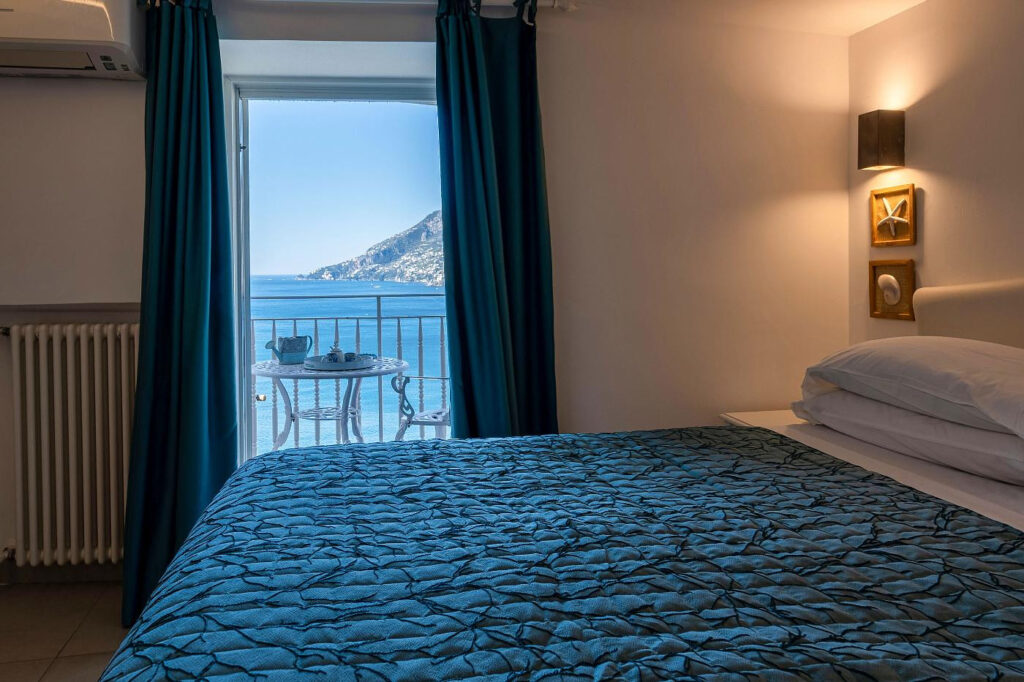
For a fall stay at Villa Costanza, this is a harvest that shows up directly on the table rather than requiring a special outing to witness. Local markets carry the season’s new oil as soon as it’s pressed, usually still labeled with the producer’s name rather than a brand, and restaurants along the coast build short-lived autumn menus specifically around it, a simple plate of bread and new oil treated with the same seriousness as a wine pairing. A bottle bought directly from a small producer, brought back to the villa and drizzled over nothing more complicated than toasted bread, is as direct a taste of this particular November as exists anywhere on the coast.
It’s worth buying more than a single bottle. Fresh oil’s peak window is short, and the qualities that make it worth seeking out — the intense color, the grassy sharpness, the pepper at the finish — soften within a matter of months even under good storage. Oil bought in November and used through the winter is a genuinely different product from the same producer’s bottle six months later, which is part of why residents along this coast treat the harvest as an annual event worth planning around rather than a commodity available anytime.
Check Out: Day Trips to Vineyards on the Amalfi Coast
Some producers along the coast and in the hills just inland have begun opening their frantoi to visitors during the pressing weeks, a practice recognized and regulated in Italy since 2022 under the term oleoturismo, olive oil tourism. It’s a newer, more formal version of something families have done informally for generations: standing in a mill at midnight, waiting for a neighbor’s crates to finish pressing, tasting the oil warm off the press before it’s even settled. For a guest staying at the villa, a booked visit to a working mill during harvest week offers a version of that same experience, watching the paste go from olive to oil in the space of an afternoon, without needing a family connection to the grove.
Why November Specifically
Fall’s other harvests — the grapes, the chestnuts up in Scala’s mountain valleys, the anchovies running through Cetara’s waters — all wrap up by the end of October. The olive harvest runs later, into November and sometimes into December depending on the year’s weather, which makes it the coast’s last working ritual before the off-season settles in fully and most seasonal businesses close for winter. A villa stay that extends into November catches a coast that’s largely emptied of summer visitors but still fully occupied with its own calendar, families in groves before dawn, frantoi running through the night, a harvest happening not for anyone watching but because it always has, at exactly this time, for about as long as anyone can trace it back.
Quick Answer
The Amalfi Coast’s olive harvest runs primarily through November, bringing the first new-season oil, known for its intense green color and peppery finish, to local frantoi (olive presses) and markets across the coast. Many of the same hand-terraced hillsides that produce Costa d’Amalfi DOC wine also carry olive groves, meaning grape and olive harvests often overlap in the same week. Fresh-pressed oil’s peak flavor window lasts only weeks to a few months, making a fall or early-winter stay at Villa Costanza one of the few times visitors can taste it close to the source.
Frequently Asked Questions
1. When is the olive harvest on the Amalfi Coast?
The harvest is centered on November, though it can begin in October and extend into December depending on that year’s weather and the specific grove’s altitude and variety.
2. What is olio nuovo?
Olio nuovo, or olio novello, is freshly pressed extra virgin olive oil from the current harvest. It’s intensely green, grassy in aroma, and has a pronounced peppery finish that fades within weeks to a few months as the oil settles.
3. Why does olive oil need to be pressed so quickly after picking?
Olives are typically pressed within 24 hours of picking to prevent fermentation, which would degrade the oil’s flavor and acidity. Speed from tree to press is one of the main factors separating high-quality oil from ordinary oil.
4. Can visitors watch or take part in the olive harvest?
Yes, in a limited way. Italy formally recognized oleoturismo, or olive oil tourism, in 2022, allowing some frantoi and producers to host visitors during pressing weeks for tours and tastings, though most of the harvest remains a family and community activity.
5. Do the Amalfi Coast’s wine and olive harvests overlap?
They can. The grape harvest generally wraps up by October, while the olive harvest is just getting underway in November, and because many hillsides carry both crops, a fall stay can catch the tail end of one and the start of the other.
Expert Summary
The olive harvest is the Amalfi Coast’s last major agricultural ritual of the year, arriving in November after the grape harvest has wrapped and just before most seasonal businesses close for winter. It runs on the same hand-terraced hillsides as the region’s wine, pressed within a day of picking at local frantoi into an intensely green, short-lived oil that bears little resemblance to what’s sold on a supermarket shelf. For a villa stay that extends into November, it offers something increasingly rare on this coast: a tradition still organized entirely around its own calendar, largely unconcerned with whether anyone outside the family is there to see it.
Sources: Things to Do in Amalfi Coast; Love Italy)