
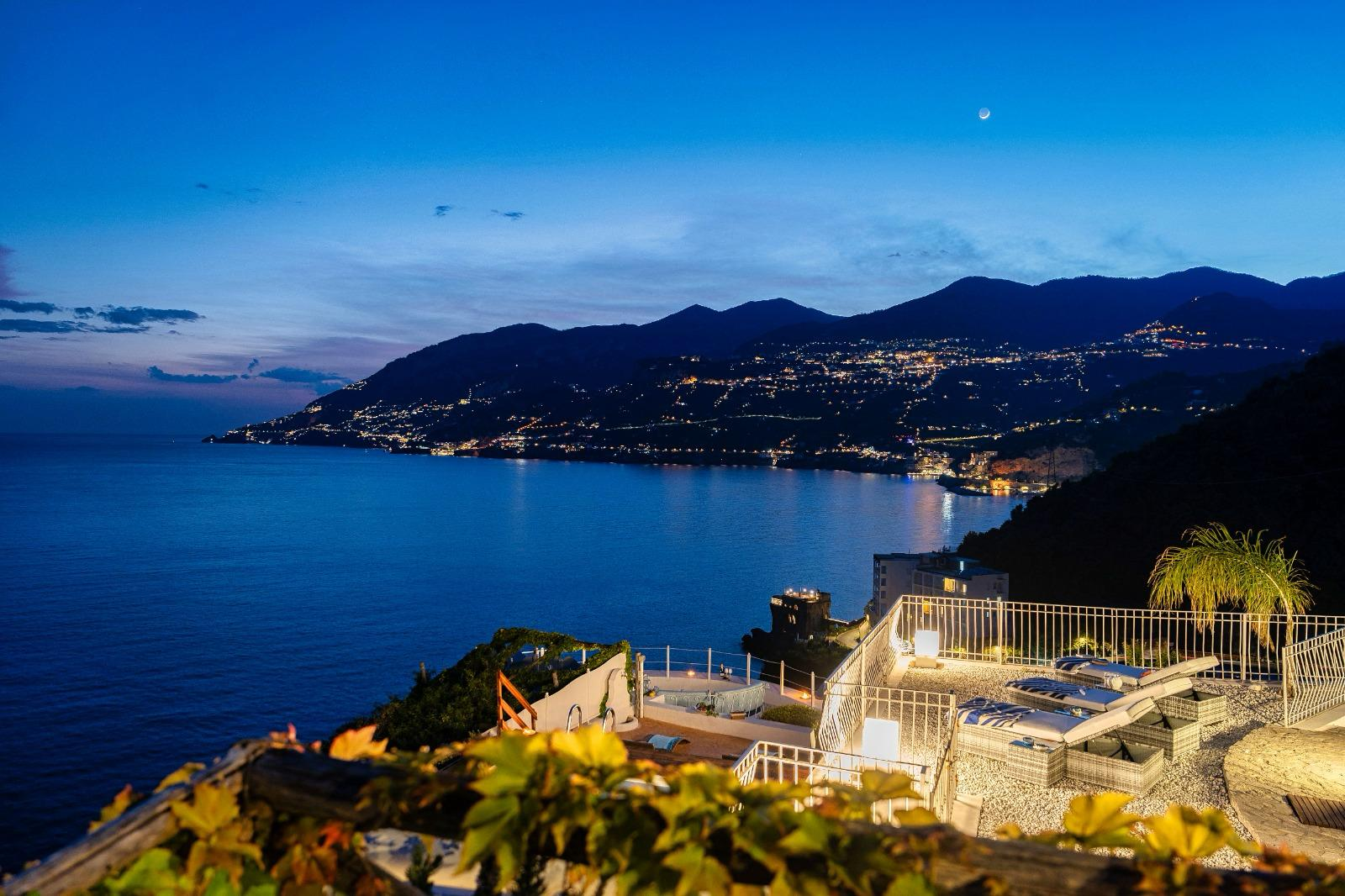

When you base yourself at Villa Costanza Amalfi Coast, the Amalfi Coast’s biggest gift is how quickly the scenery turns into story. You can spend an entire week doing nothing but swimming, strolling, and ordering another round, and nobody would blame you. But if you want to braid a little history into the week—especially if you’re here ahead of a wedding, when every day wants to feel meaningful—this corner of Campania is one of the richest “day-trip maps” in Italy. You’re within reach of ancient Greek temples, Roman cities frozen in time, medieval maritime power, hillside villas that inspired writers and composers, and monastic silence so deep it feels like a reset button.
Start with Amalfi itself, not as a pretty stop on the coast, but as the former capital of a maritime republic that once held real power on the Mediterranean. The centerpiece is the Amalfi Cathedral, a layered complex begun in the early medieval period and expanded through centuries, where architecture reads like an accumulated autobiography—Arab-Norman, Gothic, Baroque touches, each era leaving its fingerprints. If you care about the human side of sacred places, go down into the crypt, where the cathedral houses the relics of St. Andrew that arrived in the early 13th century—an origin story tied to crusading-era movement of objects and power.

From Amalfi, take a short detour into a different kind of history: work, craft, and the quiet genius of industry. The Museo della Carta is housed in an old paper mill and tells the story of Amalfi’s centuries-long paper tradition—how water power, rags, and technique turned a steep valley into a production engine. It’s tactile history: machines, pulp, the physicality of making something with your hands. If your wedding week has been all silk dresses and polished plans, this is the grounding counterpoint: the reminder that beauty has always depended on labor.
For your second day trip, go upward to Ravello, a town that feels like it was designed specifically for terraces, music, and long, reflective pauses. The must is Villa Rufolo, built in the 13th century and threaded through literature and art—Boccaccio wrote it into the Decameron, and centuries later Wagner famously found inspiration here for the “magic garden” of Parsifal. You walk through the villa’s gardens and terraces and suddenly understand why certain artists stop being rational: the view is so composed it feels arranged, but it’s just geography and human persistence. This is a perfect day for wedding-week perspective, too: you leave with a softened nervous system and the sense that romance is not an event; it’s a setting you can step into.
For a third day trip, trade cliffside charm for ancient grandeur and head south to Paestum. The drive is longer, but the reward is immediate: some of the best-preserved Greek temples anywhere, rising from the plain with a clarity that makes modern life feel temporary. Paestum is not “ruins” in the crumbly sense; it’s architecture that still holds itself upright with startling confidence. Pair the site with its museum so the story isn’t just “wow, columns,” but a fuller sense of how Greek and later Roman presence shaped this coast’s deeper identity. If you do only one true archaeology day, make it this one—it’s the kind of experience that gives your trip backbone, the historical bass note beneath all the sparkle.

Your fourth day trip is the one everyone knows, but it’s famous for a reason: Pompeii. There is nothing quite like walking a Roman city that still has streets, shops, courtyards, and the small details of daily life—because the scale is human, and the preservation is unnerving. Pompeii makes history intimate. It’s not “Rome” as an abstract empire; it’s a bakery, a doorway, a mural, a public bath. Go early if you can, and build in time to simply wander without trying to “see everything,” because the emotional impact comes from noticing ordinary things: a threshold worn smooth, a wall painted for beauty, a street that still knows the shape of footsteps. If you want an extra layer of wine-and-history crossover, the site has been involved in viticulture projects that reimagine ancient Roman practices in the landscape around the ruins, which makes the whole experience feel even more alive.
Finally, for your fifth trip—especially if you want something quieter than crowds—go to the Abbey of La Trinità della Cava near Cava de’ Tirreni, founded in the 11th century and still set in a gorge-like landscape that feels protective and hushed. Monastic places do something rare in a busy itinerary: they slow your mind down without asking permission. You walk the complex, see the stone, the archive-like calm, and feel the continuity of devotion and scholarship that outlasts empires. It’s an ideal “the day after the big night” trip, when you want meaning without stimulation.