
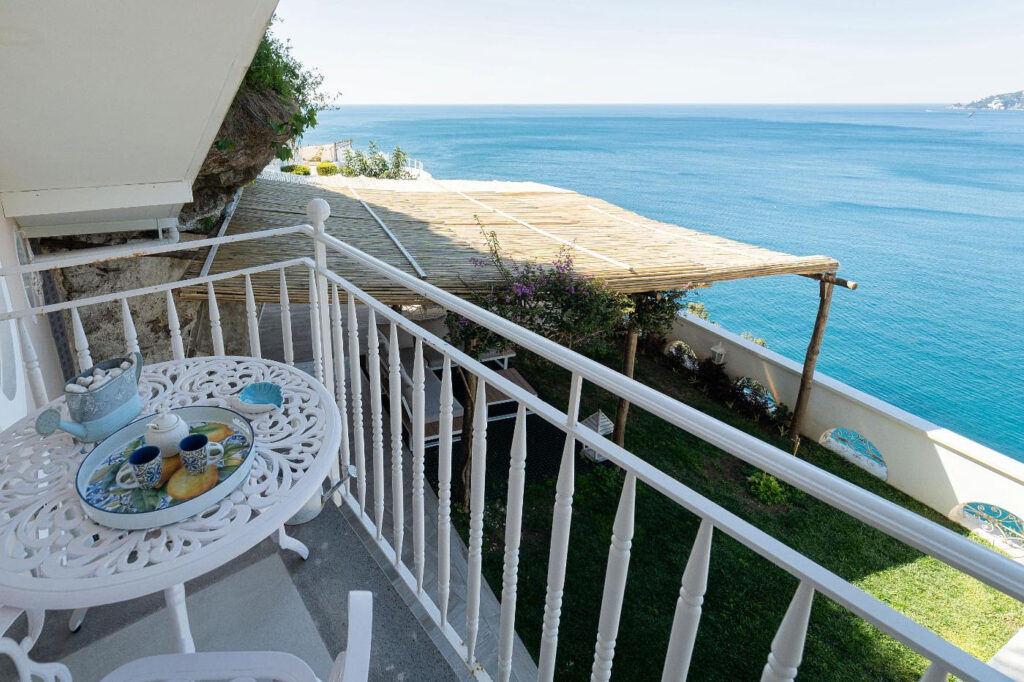
The Amalfi Coast does not suddenly turn cold when September ends. October is more interesting than that. At the beginning of the month, typical daytime highs in Amalfi are still around the upper 70s, while by the end of October they have eased toward the upper 60s. Nights cool down, daylight shortens and rain becomes a more realistic part of the forecast, but autumn arrives gradually. On the right October afternoon, you can still be sitting outside looking across a startlingly blue Mediterranean in shirtsleeves. By evening, you may want a sweater for dinner. That in-between quality is precisely what makes October so appealing: it is no longer high summer, but it is not remotely winter either.
For travelers who have always imagined the Amalfi Coast as a strictly June-through-August destination, that can come as a surprise. The summer version is spectacular, but it is also intense. Heat amplifies every staircase, every uphill lane and every wait for transportation. October changes the physical experience of the place. You can spend more of the day outdoors without organizing everything around escaping the hottest hours.
Walking uphill through a village becomes sightseeing rather than an athletic event. Lunch on a terrace can happen in warm sunshine without necessarily feeling as though you should be sitting under an umbrella. A day can begin cool, become beautifully mild and then end with a jacket after sunset. Instead of trying to hide from the climate, you can actually travel through it.
October Weather: Warm Enough to Enjoy, Unpredictable Enough to Respect
October should not be sold as a secret extension of summer because that would be misleading. It is autumn, and the weather reflects it. Historical climate data for Amalfi show average daytime highs declining from roughly 77°F at the beginning of October to about 69°F at the end, while typical nighttime lows move from the low 60s toward the upper 50s. The probability of a wet day also rises through the month, hovering around the upper 20-percent range. That means an October traveler should arrive prepared for sunshine, clouds and rain rather than packing as though every day will be a beach day.
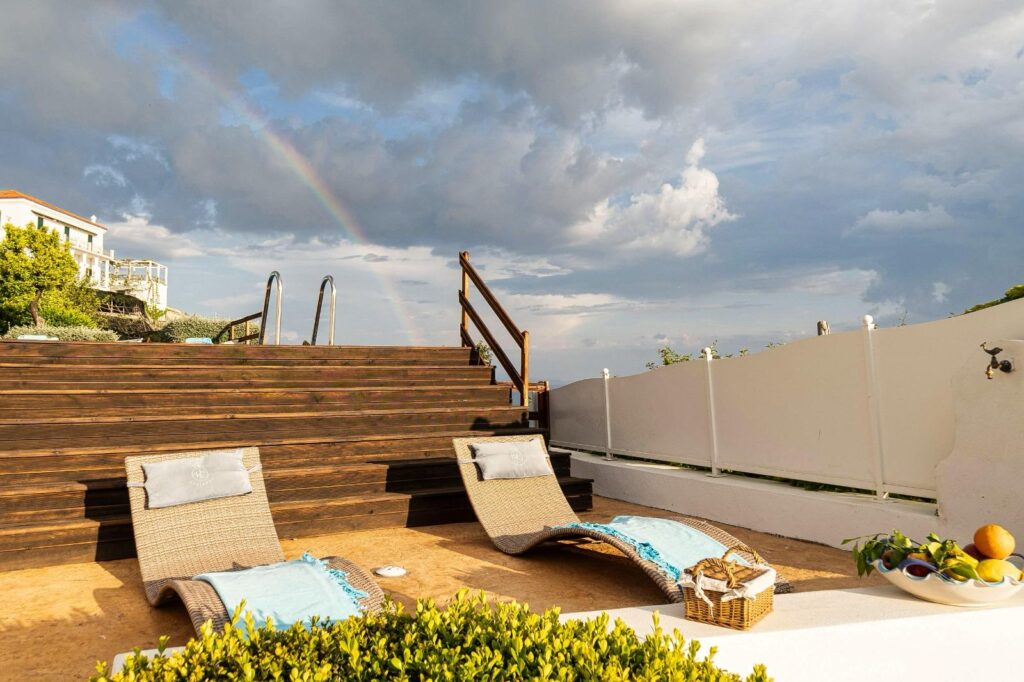
But those statistics also explain why October works so well for travelers who actually want to explore the coast. Seventy degrees is very different from midsummer heat when you are climbing stone stairs in Positano, walking through Ravello’s gardens or setting out on one of the area’s historic footpaths. The cooler air makes the vertical nature of the Amalfi Coast easier to appreciate. This landscape is built into mountains. Even a casual day can involve far more climbing than a visitor expects, and the difference between doing that in summer heat and doing it on a mild October morning is substantial.
Rain is the trade-off. An October itinerary needs enough flexibility to move a hike, extend a lunch or turn an outdoor day into a church, museum, shopping or long-meal day when the weather changes. That is not necessarily a drawback. One of the easiest mistakes on the Amalfi Coast is planning every hour because there is so much to see. Autumn almost forces a different rhythm: check the morning weather, decide what kind of day you have been given and build around it.
This Is the Season When Walking Starts Making Sense Again
Much of the Amalfi Coast was connected by footpaths and stairways long before visitors arrived by rental car, taxi or ferry. Those old routes are still among the best ways to understand why the landscape looks as extraordinary as it does. Villages are stacked vertically because flat land is scarce. Lemon groves occupy terraces supported by stone walls. Houses, churches and agricultural plots are connected by steps that can disappear around a corner and continue climbing far longer than expected.
October is particularly well suited to seeing this version of the coast. The famous Path of the Gods is only the beginning. The Lemon Path around Maiori and Minori passes through the terraced agricultural landscape that helped make lemons one of the enduring symbols of the region. Ravello is surrounded by walking routes and stairways that descend toward communities closer to the sea. Amalfi and tiny Atrani sit so close together that experiencing them as neighboring communities rather than separate sightseeing stops makes geographical sense.
Walking also changes what you notice. From the coastal road, a lemon terrace is scenery. On foot, you begin to see the retaining walls, narrow access routes and extraordinary amount of human labor required to cultivate steep mountainsides. From a ferry, Ravello appears impossibly high above the water. Walking down from the hills makes that elevation physical. The Amalfi Coast stops being a collection of famous photographs and starts making sense as a place people have adapted to for centuries.
The Sea Is Still Part of the Trip
October does not mean abandoning the water. Travelmar identifies its Amalfi Coast ferry service as a year-round operation, and its 2026 network connects Salerno with coastal communities including Amalfi and Positano, with additional stops and routes depending on the timetable in effect. Even November schedules show continuing service, although frequency and available stops change with the season.
That is important because seeing the Amalfi Coast from the sea is not merely transportation. From a boat, the scale of the landscape becomes obvious in a way it never does from inside a car. Mountains rise almost directly from the water. Villages appear to have been inserted into whatever small spaces geography permitted. Roads trace improbable lines across cliffs, while towers, coves and terraces that are difficult to appreciate from land become visible all at once.
Check Out: Where to Watch the Sunset on the Amalfi Coast
October travelers do need to respect the Mediterranean rather than treating a ferry timetable as an airline schedule. Travelmar explicitly notes that adverse sea and weather conditions can affect service, and its own 2026 notices document cancellations on rough-weather days. That makes a flexible itinerary especially useful. If the sea is calm, take advantage of it. If conditions interrupt service, have a land-based plan rather than building an entire day around a connection that weather may change.
Positano Is Still Positano, but October Gives You Reasons to Look Elsewhere
Positano remains the visual celebrity of the Amalfi Coast, and there is no reason to pretend otherwise. Its vertical sweep of buildings toward Spiaggia Grande is one of the defining images of southern Italy. But October is a good month to stop treating Positano as the entire destination.
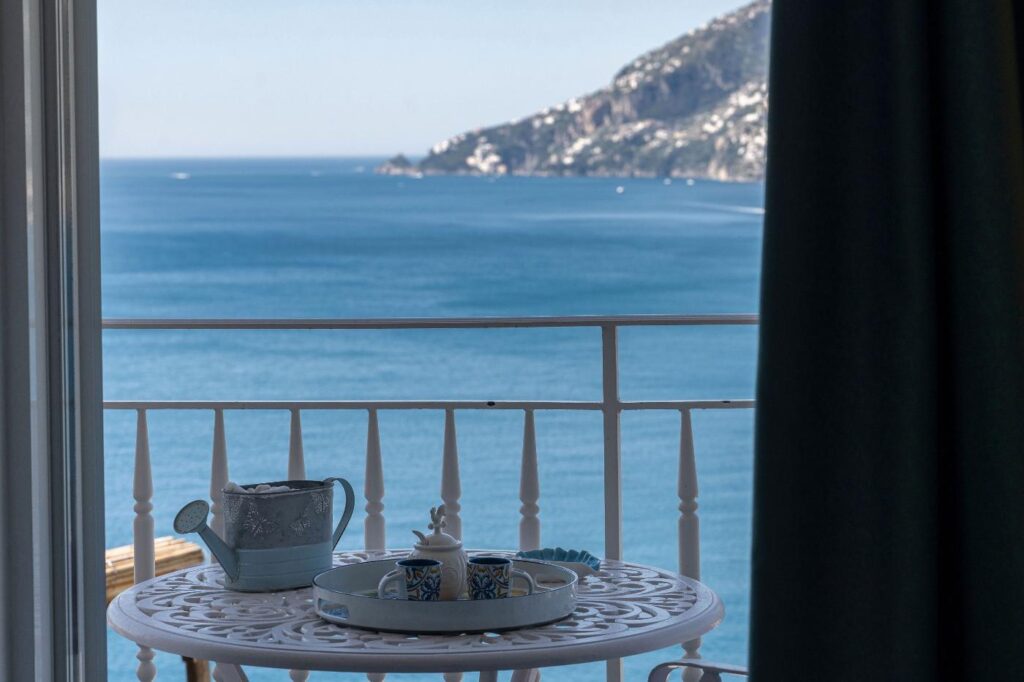
Amalfi carries the history of a former maritime republic and the architectural presence of the Cathedral of Sant’Andrea. Ravello offers an entirely different relationship with the coast because it sits high above the sea, with historic villas and gardens opening onto enormous views. Atrani, immediately beside Amalfi, compresses houses, passages, stairways and a piazza into one of the coast’s smallest municipal footprints. Cetara retains a strong fishing identity and remains associated with colatura di alici, the anchovy condiment whose production is rooted in local tradition. Minori and Maiori open onto the lemon-growing landscape and provide access to the Lemon Path. Vietri sul Mare brings the region’s long ceramic tradition into view.
In summer, it can be tempting to rush among these places because everyone is trying to fit the Amalfi Coast into a finite number of vacation days. October rewards the opposite approach. Pick a town and stay long enough to have lunch there. Walk somewhere rather than automatically taking a vehicle. Look inside a church you did not have on a list. Sit in a piazza after you finish your coffee instead of immediately opening a map.
That is when the coast begins to feel like a collection of real communities rather than a sequence of viewpoints.
Autumn Changes the Table, Too
October is also a good month to stop treating food as something squeezed between sightseeing stops. Campania’s cooking is intensely tied to place: seafood along the coast, vegetables and fruit from cultivated hillsides, olive oil, cheeses, pasta and the lemons that have become visually inseparable from the Amalfi landscape. In Cetara, anchovies are not a tourist motif but part of a longstanding fishing and culinary tradition. In the hills around Minori and Maiori, lemon terraces are evidence of an agricultural system developed to make productive use of extraordinarily steep land.
Cooler weather changes the way a long meal fits into the day. A plate of pasta at lunch does not feel like an interruption to beach time. Seafood beside the harbor can become the destination rather than the refueling stop. A rainy afternoon can be a reason to linger over lunch instead of a ruined itinerary. Autumn is particularly good at reminding travelers that southern Italy is not an attraction to complete; eating, walking, talking and sitting outside are part of experiencing it.
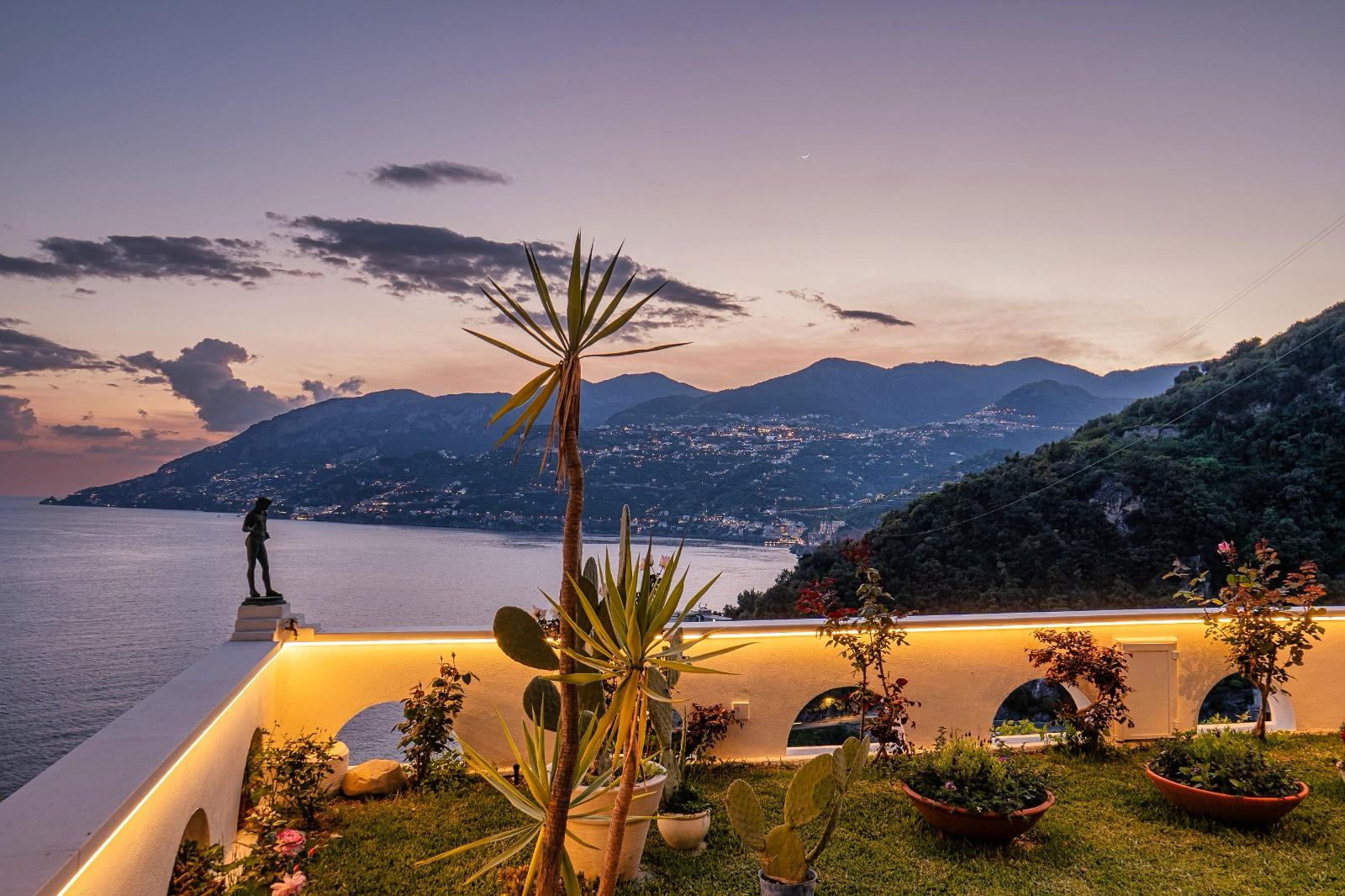
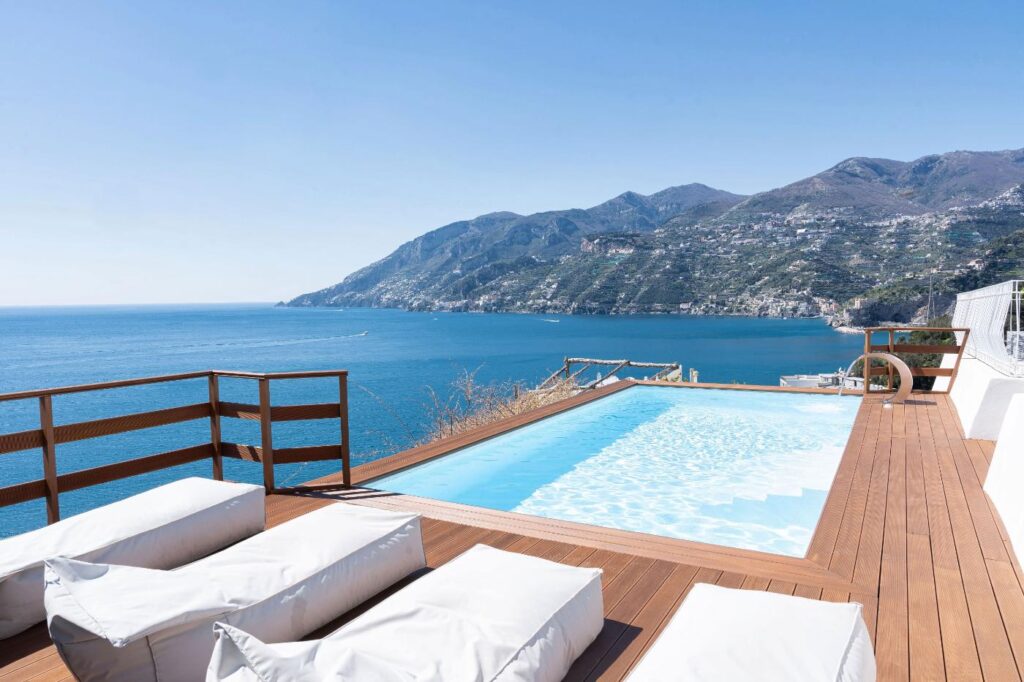
And October light deserves its own mention. With the sun lower in the sky than during midsummer, mornings and late afternoons can give the cliffs and villages a softer appearance. Sunset comes earlier, which means you do not have to stay out until late evening to watch the light change over the water. For anyone staying somewhere with a terrace or broad coastal view, that can turn the end of the day into one of its best parts.
The Real Luxury of October Is Time
The Amalfi Coast is routinely marketed through luxury: private boats, expensive hotels, elaborate restaurants and terraces with impossible views. Those things exist, but October offers another kind of luxury that is harder to photograph.
Time to walk instead of being transported. Time to let lunch become two hours because the rain has arrived. Time to spend a morning in Ravello rather than rushing through two villas and leaving. Time to take a ferry simply because seeing the coast from the water is worth doing. Time to discover Atrani because it is next door to Amalfi rather than because it appeared on a must-see list.
Check Out: Day Trips to Vineyards on the Amalfi Coast
October asks for one concession in return: you cannot control it as tightly as July. The weather may alter the plan. The sea may alter the ferry schedule. Seasonal operations may not look exactly as they did at midsummer, and travelers should verify restaurants, attractions and transportation for their actual dates rather than relying on summer information.
For some travelers, that uncertainty makes October the wrong choice. If the trip depends on reliably hot beach days, maximum daylight and the fullest possible summer schedule, come earlier.
But if the goal is to walk, eat, explore, take boats when the sea cooperates and spend enough time in the villages to notice where you actually are, October may offer something more valuable than perfect beach weather.
It offers room to experience the Amalfi Coast instead of racing through it.
Quick Answers
October is a transitional month on the Amalfi Coast, with daytime temperatures generally becoming cooler as the month progresses and a greater chance of rain than during summer.
October can be an excellent time to visit for travelers interested in walking, sightseeing, food and exploring coastal towns rather than planning the trip primarily around hot beach weather.
Rain is more common in October than during the summer months, so leaving some flexibility in the itinerary is worthwhile.
Ferries continue to operate in October, although routes and frequency vary and individual services can be affected by weather and sea conditions.
Cooler October temperatures can make hiking and extended walking more comfortable than during peak summer heat, although current weather and trail conditions should always be checked before setting out.
Frequently Asked Questions
1. Is the Amalfi Coast cold in October?
Usually not by northern-European or northern-U.S. standards. Daytime temperatures can remain mild or warm, particularly early in the month, while evenings and late October are cooler. Packing layers is more practical than packing exclusively for either summer or cold weather.
2. Can I still travel by boat in October?
Yes. Year-round ferry service exists on the coast, but the exact routes and departure frequency depend on the current timetable. Weather and sea conditions can also cause changes or cancellations.
3. What should I do if it rains?
Keep part of the itinerary flexible. Churches, historic centers, shops, ceramics, restaurants and long lunches provide alternatives to hiking or boating, and a rainy period does not necessarily mean an entire day will be lost.
4. What towns should I explore in October?
Positano and Amalfi remain major destinations, but Ravello, Atrani, Cetara, Minori, Maiori and Vietri sul Mare reveal very different aspects of the coast’s landscape, history, food and craftsmanship.
5. Is October better than summer for walking?
For many travelers, yes. Lower temperatures can make the coast’s stairs, hills and walking routes more comfortable. Summer offers longer days, but exposed routes can become hot.
6. Is October a good month for a first Amalfi Coast trip?
It can be excellent for a traveler who values sightseeing, food, walking and atmosphere and accepts some weather variability. Someone primarily seeking guaranteed hot beach conditions may prefer summer.
7. Do I need to check opening hours in October?
Yes. Transportation schedules, restaurants, attractions and other seasonal operations should be checked for the actual travel dates rather than assuming peak-summer schedules continue unchanged.
Key Specifications
Season: Autumn
Typical October Daytime Trend: Approximately upper 70s°F early in the month to upper 60s°F late in the month
Weather: Mild but increasingly variable, with a meaningful possibility of rain
Best For: Walking, village exploration, food, cultural sightseeing and slower itineraries
Ferry Service: Year-round service is available, with schedules subject to seasonal changes and weather conditions
Walking Opportunities: Path of the Gods, Lemon Path, village stairways and routes between neighboring communities
Primary Trade-Off: Less predictable weather in exchange for cooler conditions for exploring
Best Planning Strategy: Build flexibility into the itinerary and verify current ferry, attraction and restaurant schedules
Expert Summary
October occupies a distinctive middle ground on the Amalfi Coast. Historical weather patterns show daytime temperatures easing from the upper 70s°F early in the month toward the upper 60s°F by late October, creating conditions that can be particularly comfortable for walking and sightseeing. Rain becomes more likely than during summer, however, so October is better approached as true autumn than as guaranteed extended summer.
The season works especially well for travelers who want to experience the Amalfi Coast beyond its beaches. Cooler weather makes its steep villages and walking routes more approachable, while year-round ferry service can still make the sea part of the journey when conditions permit. The key is flexibility: check current weather and transportation schedules, leave room for plans to change and allow enough time to experience individual towns rather than racing between them.
(Sources: WeatherSpark historical climate data for Amalfi and the Amalfi Coast; Travelmar 2026 ferry timetables)