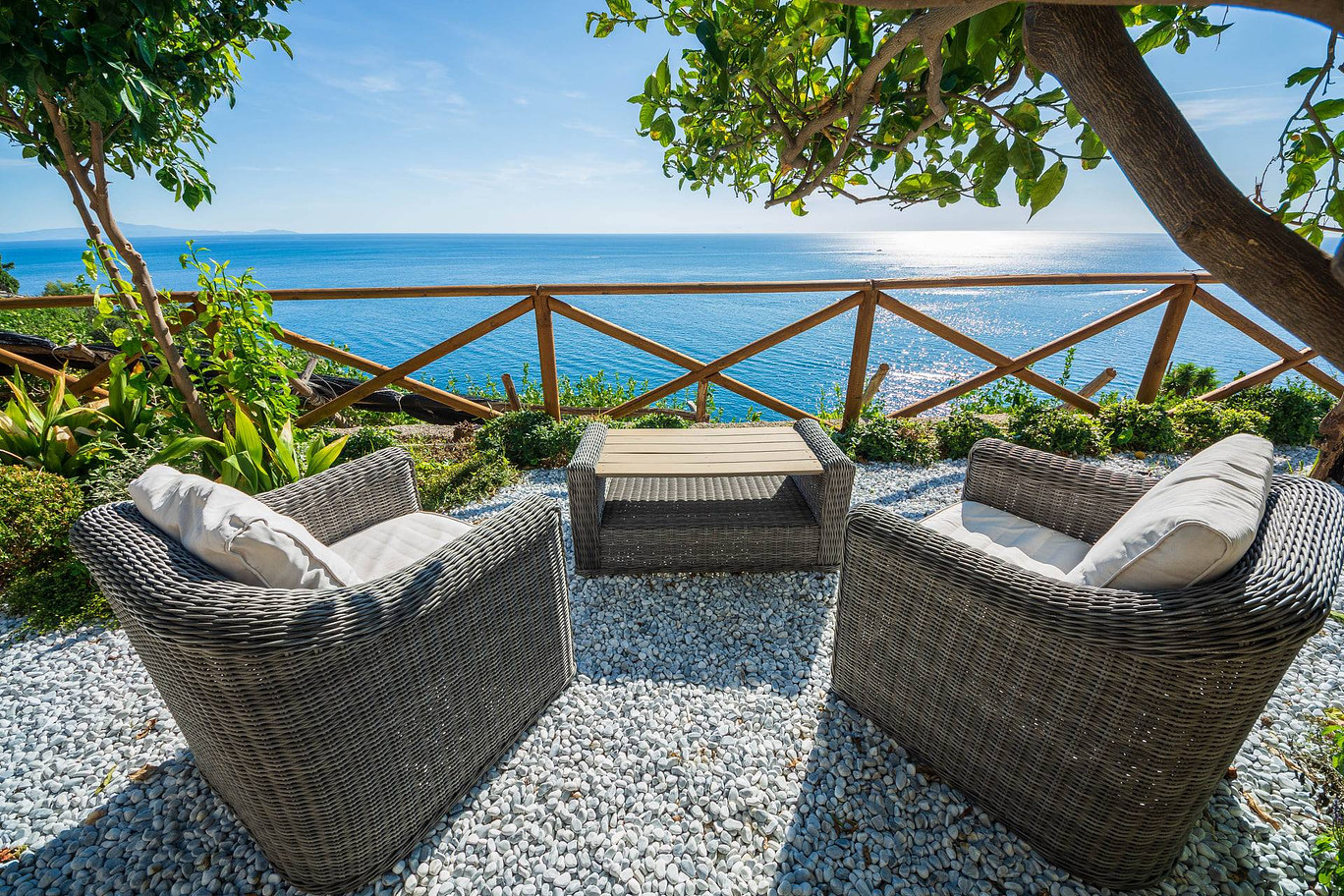

By the end of October, most hotels and restaurants along this coast begin closing for the off-season, and the crowds that fill every switchback road in August have largely gone home. What’s left is a coast running at close to half speed: temperatures in the mid-60s to low-70s, roughly a 30 percent chance of rain on any given October day, and a quality of light that photographers specifically travel for. From mid-September onward, the sun sits lower in the sky, producing long golden-hour stretches in the morning and late afternoon that simply don’t exist in July, when the sun sits almost directly overhead. The terraced lemon groves above the coast road, the harbor towns, the cathedral façades — they’re different subjects in October than they are in August, and a villa stay timed to this window is built around noticing that difference rather than fighting the heat.
Check Out: Day Trips to Vineyards on the Amalfi Coast
A fall stay at Villa Costanza doesn’t need to start with an itinerary. The early days work best unstructured — mornings on the terrace with coffee and whatever fruit the local market has that week, afternoons spent walking into the nearest village rather than driving to one further off. This is the season when the coast’s own harvest calendar starts dictating the food on offer: September’s grape harvest is still settling into local cellars, October brings the season’s chestnuts down from the mountain valleys around Scala, and by November the olive groves that share hillside terraces with the vineyards are being picked for the year’s new oil. A market visit in October looks different than one in July, stocked with the coast’s actual autumn rather than produce trucked in to meet summer demand.
Mid-Trip: Wine, Hiking, and the Coast’s Working Half
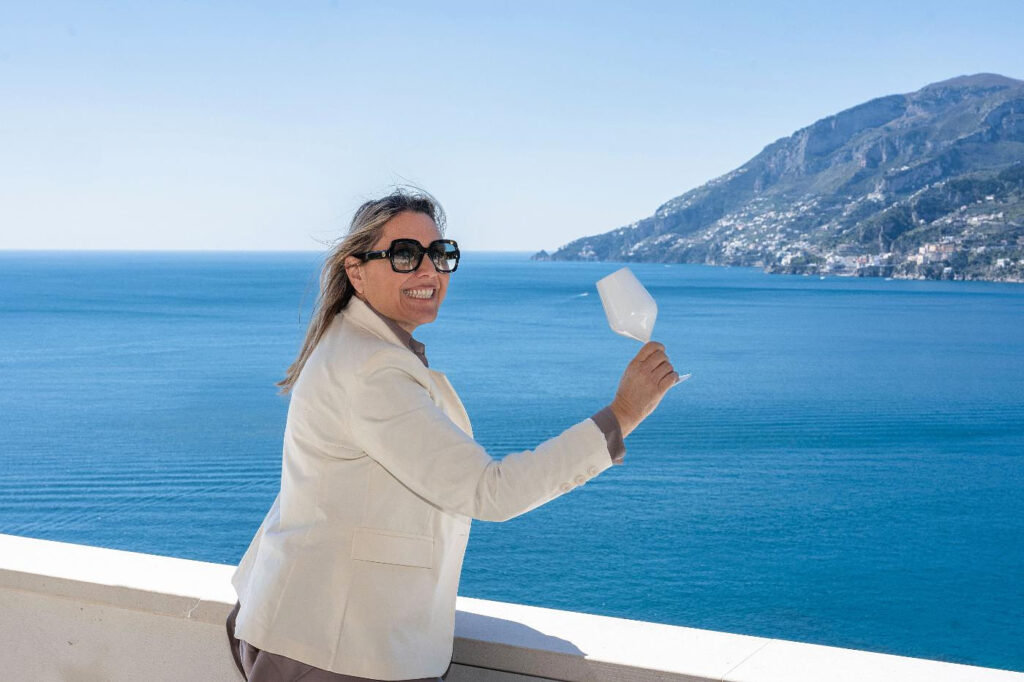
Once the trip settles into a rhythm, fall opens up activities that summer’s heat makes uncomfortable. The Sentiero degli Dei, the Path of the Gods trail that traces the ridge above the coast, and the Sentiero dei Limoni between Minori and Maiori are both far more manageable in October’s mild air than in August’s. A morning hike followed by an afternoon wine tasting at one of the small, family-run wineries producing Costa d’Amalfi DOC wine — Furore, Ravello, and Tramonti are the three villages entitled to put their name on the label — fits naturally into a day that isn’t racing the heat or the crowds.
This is also the season to head slightly off the coast itself. The Irpinia hills inland, home to Fiano di Avellino and Greco di Tufo, are deep into their own grape and chestnut harvest by October, and the landscape there — wooded hills, old stone villages — offers a genuinely different day trip from anything the coast road provides. A half-day out and back still leaves time for dinner back at the villa.
Check Out: Where to Watch the Sunset on the Amalfi Coast
Praiano adds something to the mid-trip stretch that has nothing to do with harvest. In October, the town hosts an open-air concert staged along the Path of the Gods itself, timed deliberately to the season’s milder hiking weather and its long late-day light. It’s the kind of evening that requires the exact conditions fall provides and that summer’s heat and crowds would make close to unbearable.
The Last Stretch: Festivals, New Oil, and a Slower Goodbye
The final days of a fall trip are where the coast’s autumn character shows up most directly, in its village festivals. Scala’s chestnut festival, timed to that year’s harvest rather than a fixed date, turns a piazza into a two-weekend celebration of roasted chestnuts and a donkey race between the town’s neighborhoods. Cetara’s anchovy and colatura festival opens up one of the coast’s most distinctive, least-touristed culinary traditions. Neither requires advance planning beyond checking dates as the trip approaches.
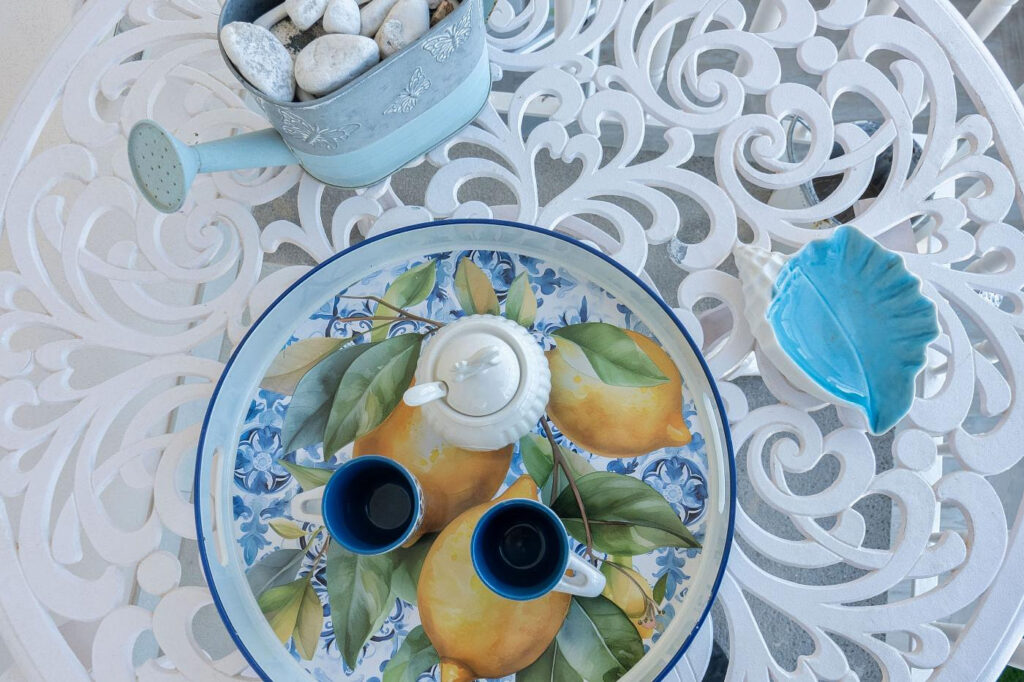
By early November, the first new-season olive oil starts appearing at frantoi and local markets across the coast, intensely green and grassy in a way bottled oil never quite replicates. A last dinner on the villa terrace, built around bread, that new oil, and a bottle from one of the wineries visited earlier in the trip, is as complete a version of this coast’s fall character as a week-long stay can offer. Villages further along the coast add their own final notes to the season: Minori marks a pair of November feast days for its patron saint, and by the last week of the month, most seasonal restaurants have begun closing entirely, which is itself a kind of signal that a fall trip, unlike a summer one, has a natural end point built into the calendar rather than an arbitrary checkout date.
What to Actually Pack For It
Fall on this coast is not summer with a light jacket. Evenings cool off quickly once the sun drops, and the roughly 30 percent chance of rain in October means a stay benefits from real walking shoes rather than sandals, particularly for anyone planning to hike the ridge trails. Most restaurants that stay open past October shift their hours and their menus toward the season, so it’s worth checking ahead rather than assuming August’s schedule still applies. None of this complicates a trip. It just means fall asks a visitor to meet the coast on its own terms, in exchange for a version of it that August never shows anyone.
Quick Answer
A fall trip to Villa Costanza works best built around the coast’s own seasonal rhythm: slow mornings and market visits early on, hiking and wine tasting mid-trip while October’s mild weather and golden light hold, and village harvest festivals and new-season olive oil toward the end of the stay as November approaches. October temperatures run roughly 57-70°F with about a 30 percent chance of rain, while most seasonal restaurants and hotels begin closing by early November, giving a fall trip a natural endpoint that summer visits don’t have.
Frequently Asked Questions
1. Is October or November better for a Villa Costanza fall trip?
October offers milder weather, more restaurants and hotels still open, and the best hiking conditions. November is quieter and cooler, with new-season olive oil and fewer open businesses as the coast moves into its off-season.
2. What should be packed for a fall stay?
Real walking shoes for hiking trails like the Path of the Gods, layers for cooling evenings, and a light rain jacket given October’s roughly 30 percent chance of rain on any given day.
3. What activities are better in fall than summer?
Hiking the Sentiero degli Dei and Sentiero dei Limoni, wine tastings at small hillside wineries, and market visits built around the season’s actual harvest are all more comfortable and more authentic in fall’s mild, uncrowded conditions.
4. Do restaurants stay open through a fall trip?
Many do through October, though hours and menus often shift seasonally. By late October and into November, a number of seasonal restaurants and hotels begin closing for the winter, so confirming ahead is worthwhile.
5. What food or drink defines a fall trip to the coast?
The overlap of the region’s grape harvest finishing in September and October and its olive harvest beginning in November means a fall stay can include both new-vintage local wine and freshly pressed olive oil, often on the same table.
Expert Summary
A fall trip to Villa Costanza works best when it follows the coast’s own calendar rather than imposing a fixed itinerary on it: slower, market-driven days early in the stay, active days for hiking and wine tasting while October’s mild weather holds, and a final stretch built around village harvest festivals and the season’s first new olive oil. With temperatures in the 60s, thinner crowds, and light that photographers specifically travel for, fall offers a version of this coast that August’s heat and crowds don’t allow, provided visitors plan around the season’s shifting restaurant hours and its natural late-October to November wind-down.
Sources: The Top Villas; Cerrato Limo)